The Interplay of Promotional Codes adn Jackpot Pool Dynamics Within British Licensed Gaming Environments
Finley Patterson · Nov 6, 2026
The Interplay of Promotional Codes adn Jackpot Pool Dynamics Within British Licensed Gaming Environments
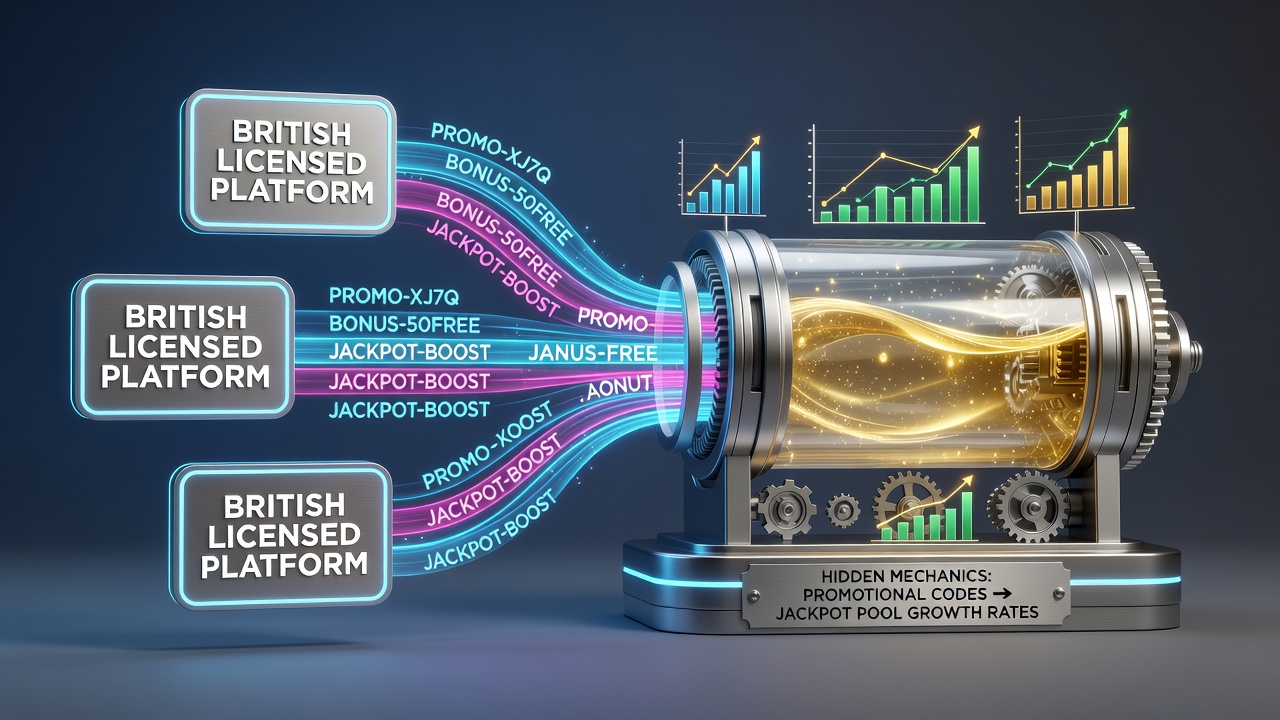
Operators holding licences from British regulatory bodies manage platforms where promotional codes serve as entry points that channel player activity toward progressive jackpot systems, and data from multiple jurisdictions shows measurable effects on pool accumulation rates when code usage spikes. These codes typically unlock free spins or matched deposits that encourage additional wagers on linked slot titles, which in turn feed a percentage of each stake directly into shared prize pools. Observers note that the volume of activated codes correlates with hourly and daily contribution figures tracked across networked games.
Code Activation Pathways and Pool Contribution Mechanisms
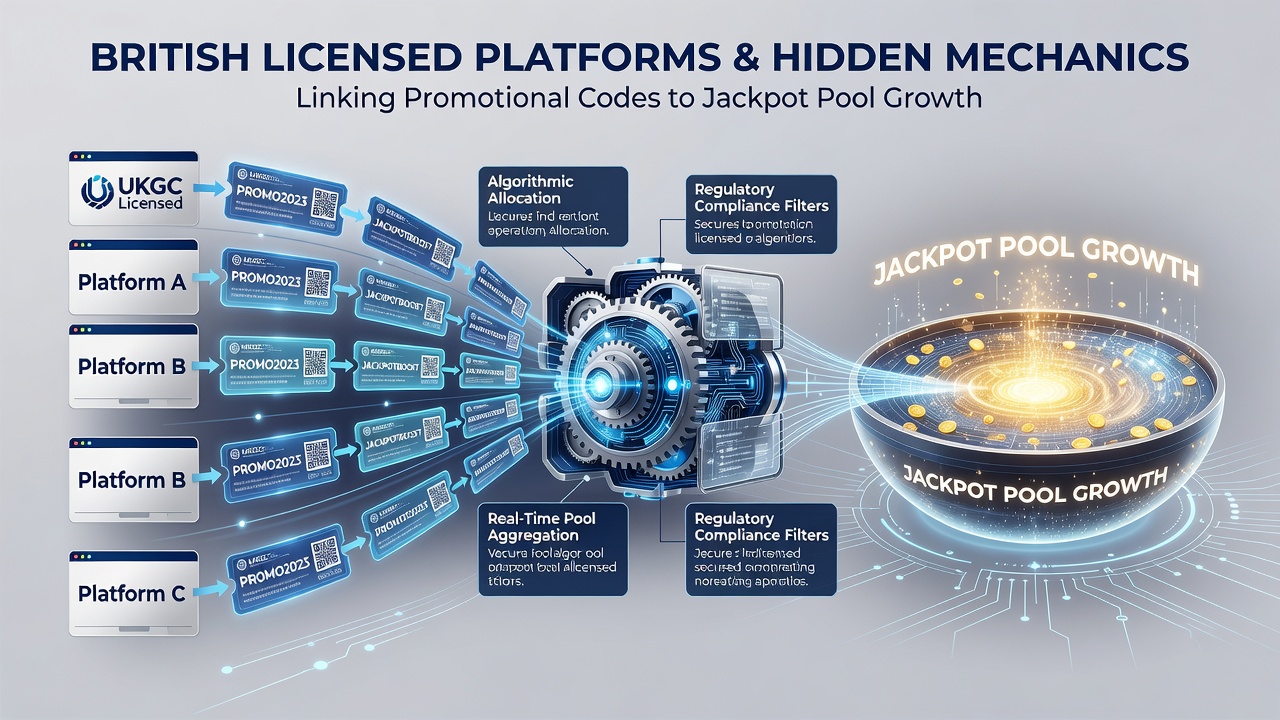
Promotional codes function through automated tracking systems that tag qualifying bets, routing a fixed portion of those stakes into jackpot reserves while the remainder supports operational margins. Researchers tracking similar systems in other markets have documented that a 15 to 25 percent rise in code redemptions often produces a proportional lift in daily pool increments, because each new session multiplies the number of micro-contributions feeding the meter. This process operates continuously across connected sites, so activity generated on one platform can accelerate growth visible to players on several others.
Participation Patterns Across Networked Titles
Players entering sites via code-based offers frequently select progressive jackpot games over standalone titles, and this preference concentrates betting volume on machines whose meters climb with every spin. Figures from industry reports indicate that sessions initiated with promotional incentives show higher average spin counts than cash-only play, extending the window during which contributions accumulate. Those who study player behaviour across regulated markets point out that code-driven traffic tends to cluster around peak evening hours, creating measurable surges in pool velocity that persist until the following morning.
One analysis of European operator data revealed that networks using targeted code distribution experienced steadier month-on-month pool expansion compared with sites relying solely on organic traffic. The same study linked specific code campaigns to temporary accelerations in meter growth, particularly when the offers coincided with new game launches or seasonal events. Such patterns repeat across multiple licensed environments, suggesting the relationship stems from structural mechanics rather than isolated campaigns.
Regulatory Reporting and Cross-Border Comparisons
Licensed operators submit periodic returns that include aggregated contribution totals from all wager types, allowing oversight bodies to monitor pool health without examining individual player accounts. Australian gambling research published by the Victorian Commission for Gambling and Liquor Regulation has examined comparable contribution models and found that incentive-linked play can account for up to 30 percent of total progressive funding in certain network configurations. Meanwhile, reports from the Nevada Gaming Control Board document parallel effects in US markets, where bonus code usage tracks closely with meter increments on multi-site progressives. These independent datasets provide context for understanding how British platforms integrate similar mechanics within their own compliance frameworks.
Technical integrations between affiliate tracking systems and operator backends ensure that code redemptions register in real time, updating both player ledgers and jackpot ledgers simultaneously. When a code triggers a bonus round on a progressive title, the system records the stake portion allocated to the pool before the round concludes, maintaining an unbroken chain of contributions. Observers monitoring these flows report that discrepancies rarely appear because automated reconciliation processes flag anomalies within minutes of detection.
Seasonal Fluctuations and Code Timing Effects
November campaigns have historically produced elevated code volumes as operators prepare for end-of-year traffic peaks, and pool growth records from prior years show corresponding upticks during the same window. The additional sessions generated by these timed offers extend contribution periods across multiple days, compounding the effect on shared meters. Data aggregated from several networks confirms that campaigns running between the 10th and 25th of the month often deliver the strongest incremental gains, because player engagement remains high before holiday slowdowns begin.
Software providers supplying the underlying jackpot engines publish contribution rate tables that operators reference when configuring new titles, and these tables remain consistent regardless of how players fund their sessions. Promotional codes do not alter the underlying percentage allocated to the pool; instead they increase the absolute number of spins subject to that percentage. This distinction matters when analysts calculate expected pool trajectories under different traffic scenarios.
Conclusion
British licensed platforms rely on integrated tracking and reporting systems that connect promotional code activity directly to jackpot pool metrics, and evidence drawn from multiple regulatory environments demonstrates consistent relationships between code volume and accumulation speed. These mechanics operate through fixed contribution formulas applied to every qualifying wager, independent of the promotional pathway used to initiate play. Continued monitoring across jurisdictions will likely refine understanding of how incentive structures interact with progressive systems over longer time horizons.